Not every patient visiting an aesthetic clinic wants a noticeable change in facial shape or volume. Many are looking for something more discreet: better hydration, smoother-looking texture and a rested appearance that still feels entirely their own. This shift towards skin quality rather than obvious correction is encouraging clinics to develop treatment plans built around gradual, natural-looking improvements.
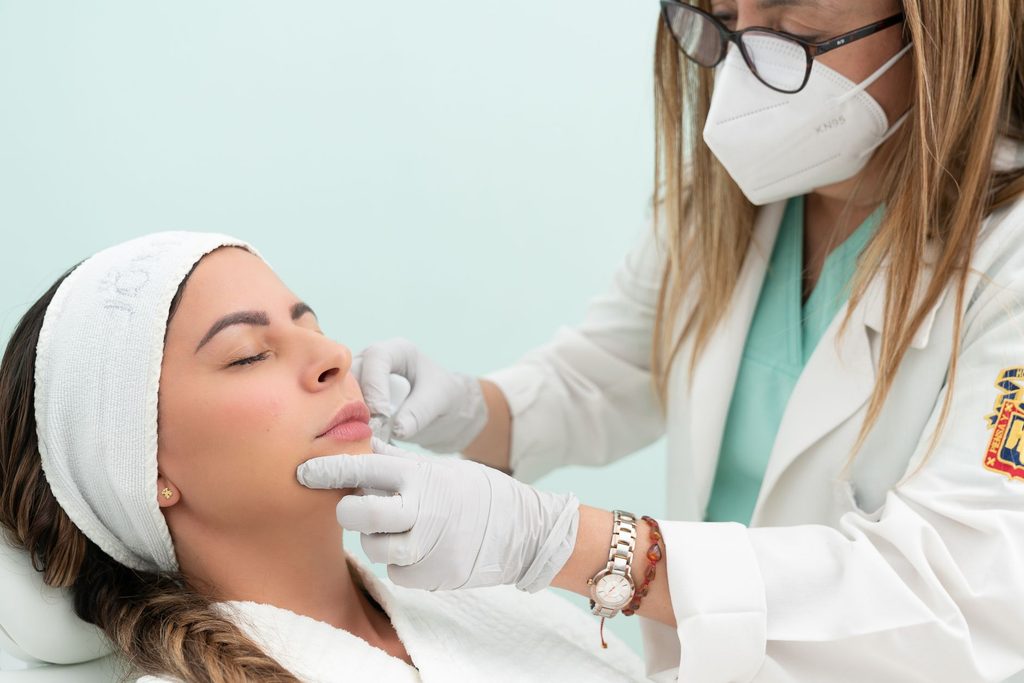
For practitioners, the challenge is to choose products that match these expectations while remaining appropriate for the patient’s skin, goals and medical history. Treatments also need to fit into a realistic long-term plan rather than being presented as a quick solution to every concern.
Why subtle skin refresh treatments are gaining attention
Patients are increasingly familiar with aesthetic medicine, but greater awareness does not always translate into a desire for dramatic results. Some people are interested in improving early signs of ageing before considering treatments aimed at restoring volume or changing facial contours. Others simply want their skin to look fresher without altering recognisable features.
This creates a place for treatments focused on concerns such as:
- dehydrated or dull-looking skin,
- uneven-looking texture,
- reduced elasticity,
- fine superficial lines,
- early signs of skin ageing,
- loss of a rested, refreshed appearance.
The aim is generally not to create a new facial structure. Instead, the practitioner works with the patient’s existing features and focuses on the condition and appearance of the skin.
That distinction should be clear from the first consultation. “Subtle” does not mean that a treatment is insignificant or suitable for everyone. It refers to the intended visual outcome, not to the level of clinical responsibility involved.
Where Belotero Revive fits into this approach
Clinics looking to broaden their skin-quality portfolio may consider Belotero Revive, a professional injectable product developed by Merz Aesthetics. Its formulation combines 20 mg/ml of cross-linked hyaluronic acid with 17.5 mg/ml of glycerol and uses CPM technology.
This composition positions the product differently from fillers selected primarily to create projection or restore pronounced volume. Belotero Revive is associated with skin biorevitalization and hydration, making it relevant when the treatment objective is a gradual refresh rather than a substantial change in facial proportions.
The product is supplied as a 1 ml prefilled syringe and is intended exclusively for appropriately trained and licensed medical professionals. Before purchasing or using it, a clinic must verify its regulatory status in the relevant jurisdiction, follow the current manufacturer documentation and ensure that the proposed treatment falls within the practitioner’s legal scope of practice.
Skin quality and facial volume are different treatment goals
The term “filler” covers products with different characteristics and purposes. A product chosen to define the chin or restore cheek volume is not automatically the right option for a patient whose main concern is dehydrated or tired-looking skin.
A skin refresh plan may prioritise:
- hydration and surface appearance,
- smoother-looking skin,
- gradual improvement rather than structural correction,
- preservation of natural movement,
- consistency across a wider treatment area,
- an outcome that does not look conspicuously “done.”
This does not mean that skin-quality treatments and volumizing procedures must always remain separate. Some patients may benefit from a combined plan, but each element should have a defined purpose. Adding procedures without a clear indication can make the plan harder to explain, evaluate and adjust.
The consultation determines whether the treatment makes sense
Product selection should follow assessment, not precede it. A patient asking for “glowing skin” may be describing dehydration, sun damage, pigmentation, textural irregularities or general dissatisfaction with their appearance. These concerns do not necessarily require the same intervention.
A thorough consultation should explore:
- the patient’s main concern and preferred outcome,
- previous aesthetic procedures and their results,
- relevant medical history and medication,
- allergies and known sensitivities,
- current skincare and recent treatments,
- upcoming events and tolerance for downtime,
- expectations regarding the scale and duration of improvement,
- contraindications and factors that may increase risk.
The practitioner should also examine the skin and determine whether an injectable treatment is suitable at all. In some cases, skincare, sun protection, a different procedure or referral to another medical professional may be more appropriate.
Natural-looking results depend on expectation management
Subtle treatments can be difficult to communicate because the desired improvement may be meaningful to the patient without being immediately obvious to other people. If expectations are not discussed carefully, a patient may interpret a deliberately restrained outcome as insufficient.
Clinics can reduce this risk by defining success before treatment. Instead of relying on broad promises such as “rejuvenation,” the conversation should focus on specific, realistic aims. These might include skin that appears better hydrated, smoother or less tired while retaining normal expression and individual character.
It is also useful to explain what the treatment is not designed to accomplish. A skin-quality procedure should not be presented as a substitute for every volumizing, resurfacing or lifting treatment. Clear boundaries help the patient understand why a particular product has been recommended and make it easier to evaluate the result fairly.
Standardised clinical photography can support this process. Consistent lighting, positioning and camera settings allow subtle changes to be assessed more reliably than memory or casual phone photographs.
Why restrained treatments can support long-term plans
Skin ageing is continuous, so a single procedure should rarely be presented as a permanent endpoint. Clinics can create more coherent care by treating each appointment as part of an evolving plan.
Such a plan may include:
- an initial assessment and discussion of priorities,
- treatment selected for the patient’s current needs,
- an appropriate review after the expected settling period,
- objective evaluation of the response,
- adjustment of future care based on the result,
- maintenance only when clinically justified.
This staged approach avoids committing the patient to an excessive number of procedures at the outset. It also gives the practitioner time to observe how the skin responds before deciding whether another session, a maintenance appointment or a different treatment would be beneficial.
Long-term planning should never become automatic scheduling. The patient’s health, preferences and skin condition can change, so suitability must be reassessed rather than assumed.
Subtle outcomes still require rigorous clinical standards
A natural-looking result does not make an injectable treatment risk-free. Clinics must apply the same standards of assessment, consent, hygiene, traceability and aftercare that they would use for other medical aesthetic procedures.
A safe treatment pathway should include:
- confirmation that the product is authentic and properly stored,
- recording of the product name, batch number and expiry date,
- informed consent covering benefits, limitations and risks,
- an aseptic clinical environment,
- treatment by a properly qualified professional,
- clear written aftercare information,
- a process for reporting concerns,
- access to timely clinical review if complications are suspected.
Practitioners should also be prepared to recognise and manage adverse events. Patients need to know which post-treatment effects may be expected and which symptoms require urgent contact with the clinic or emergency medical assessment.
Product sourcing matters to both safety and clinic operations
Injectable products should come through a dependable professional supply chain. Price is only one consideration. Clinics also need confidence in authenticity, storage conditions, packaging integrity, expiry information and batch traceability.
When evaluating a supplier, it is worth checking:
- whether sales are restricted to qualified professionals,
- how temperature-sensitive products are stored and transported,
- whether complete product and batch information is available,
- how damaged or questionable deliveries are handled,
- whether the clinic can obtain documentation when required,
- whether the product is authorised for the intended market and use.
Reliable procurement supports more than convenience. It helps the clinic maintain treatment records, manage stock responsibly and respond effectively if a product issue or recall occurs.
Building a treatment portfolio around outcomes
A strong clinic portfolio does not need several products that perform essentially the same role. It should give practitioners clearly differentiated options for different clinical objectives.
Belotero Revive can be positioned within a skin-quality category rather than promoted as an all-purpose solution. This makes the consultation more transparent: the product is considered when hydration and subtle revitalization align with the patient’s needs, while other concerns may require another approach.
Clear positioning also helps the wider clinic team communicate consistently. Reception staff, patient coordinators and practitioners should understand the difference between refreshing skin quality, softening lines, restoring volume and changing facial contours. Consistent explanations reduce confusion and prevent marketing language from creating expectations that the clinical service cannot responsibly meet.
Subtle treatment should still be highly individual
The appeal of skin refresh treatments lies in their ability to support an understated result. However, no product delivers the same experience for every patient. Age, skin condition, lifestyle, anatomy, treatment history and individual response can all influence the outcome.
Belotero Revive may fit well into plans centred on hydration and natural-looking skin improvement, but its suitability must be decided through clinical assessment. The most convincing results usually come from matching the intervention to a clearly defined concern, setting realistic expectations and reviewing the response before recommending further treatment.
For clinics, this patient-specific approach is more valuable than simply adding another injectable to the menu. It turns a product into one carefully selected part of a responsible, long-term skin strategy.
ALSO READ